Lyophilization contract development

Freeze-dried skincare, from formula screening to a protected dry format.

You bring a formula, an existing sample or a dry-format concept; we take it to a product that can be filled and used. The work covers feasibility screening, a freeze-drying cycle developed for that formula, representative dry units as cake, powder or beads, the activator or diluent they are paired with, and the pack that protects them. Projects start with a short brief: we screen the formula first, then tell you which route is worth developing and what the next trial would settle.

Showing product formats 01–02 / 04
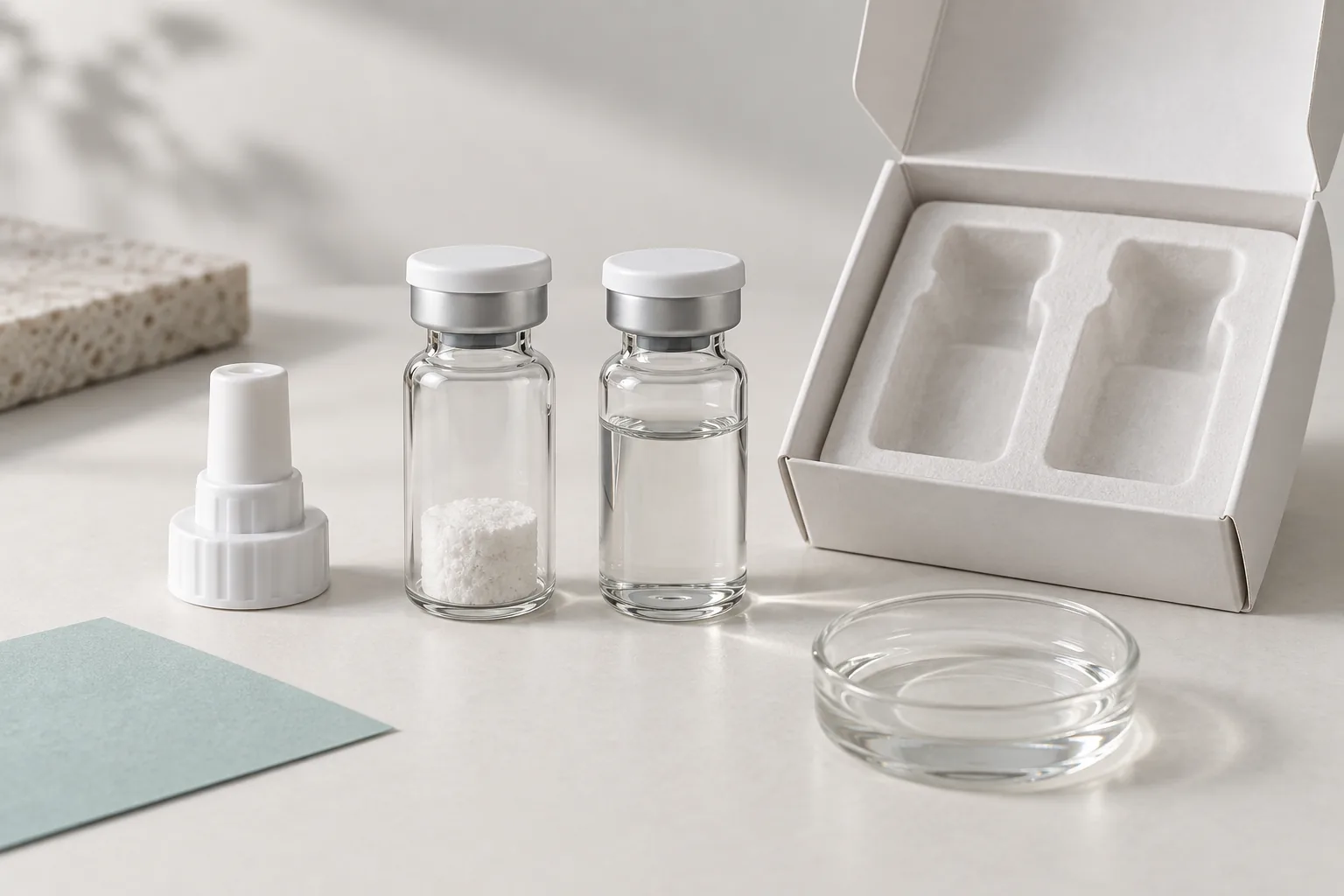
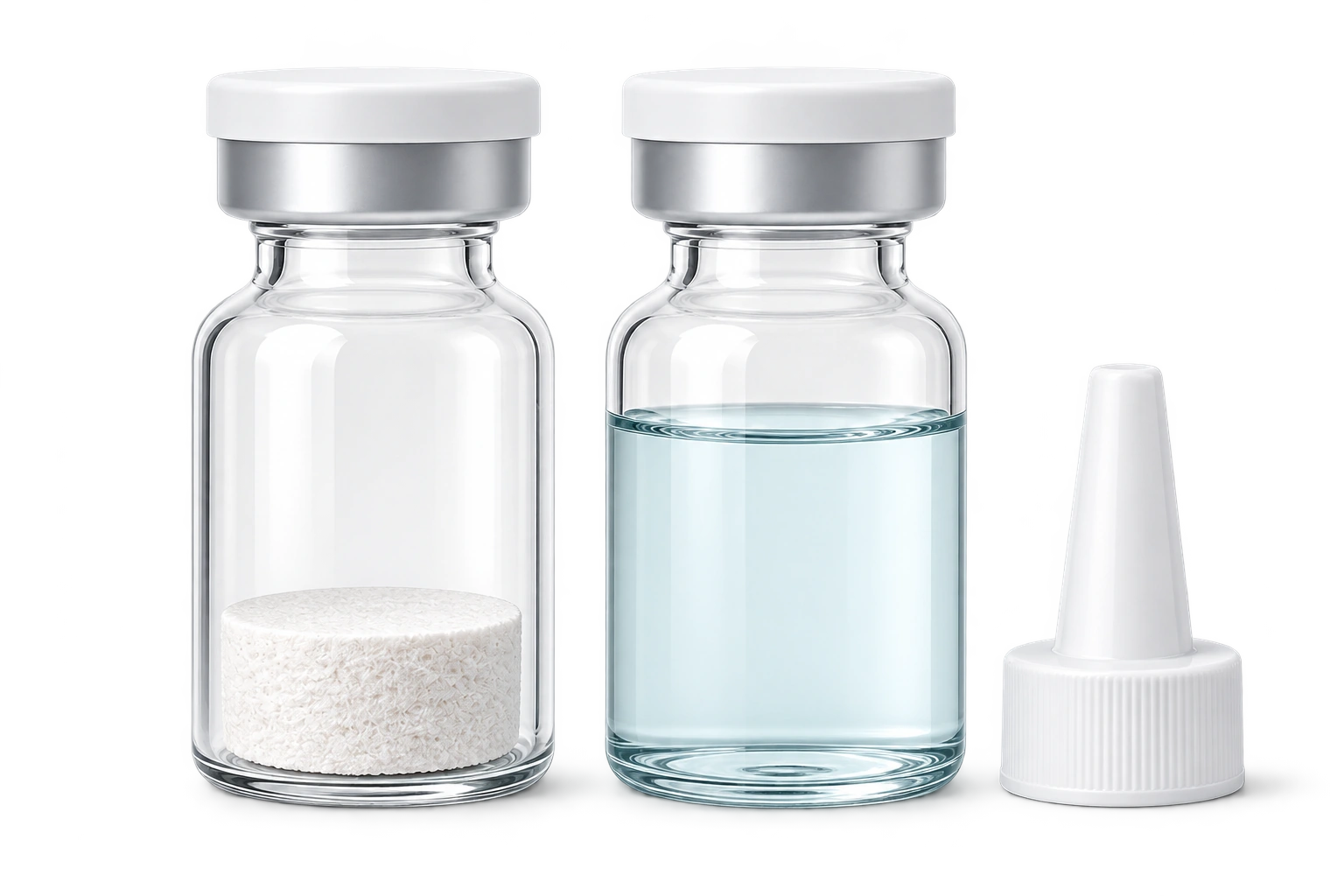
Separate vial of white lyophilized cake or powder with a clear single-dose diluent ampoule.
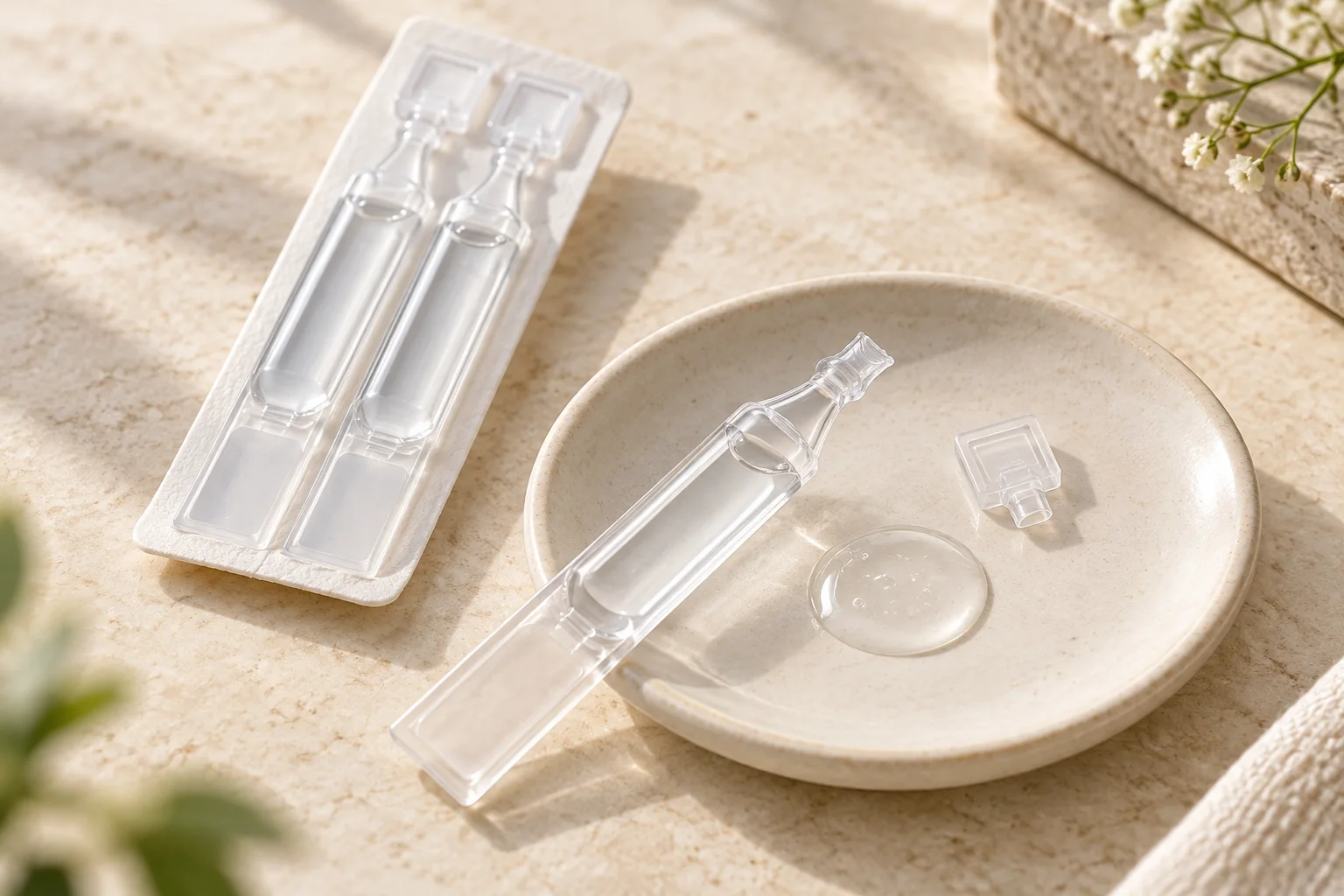
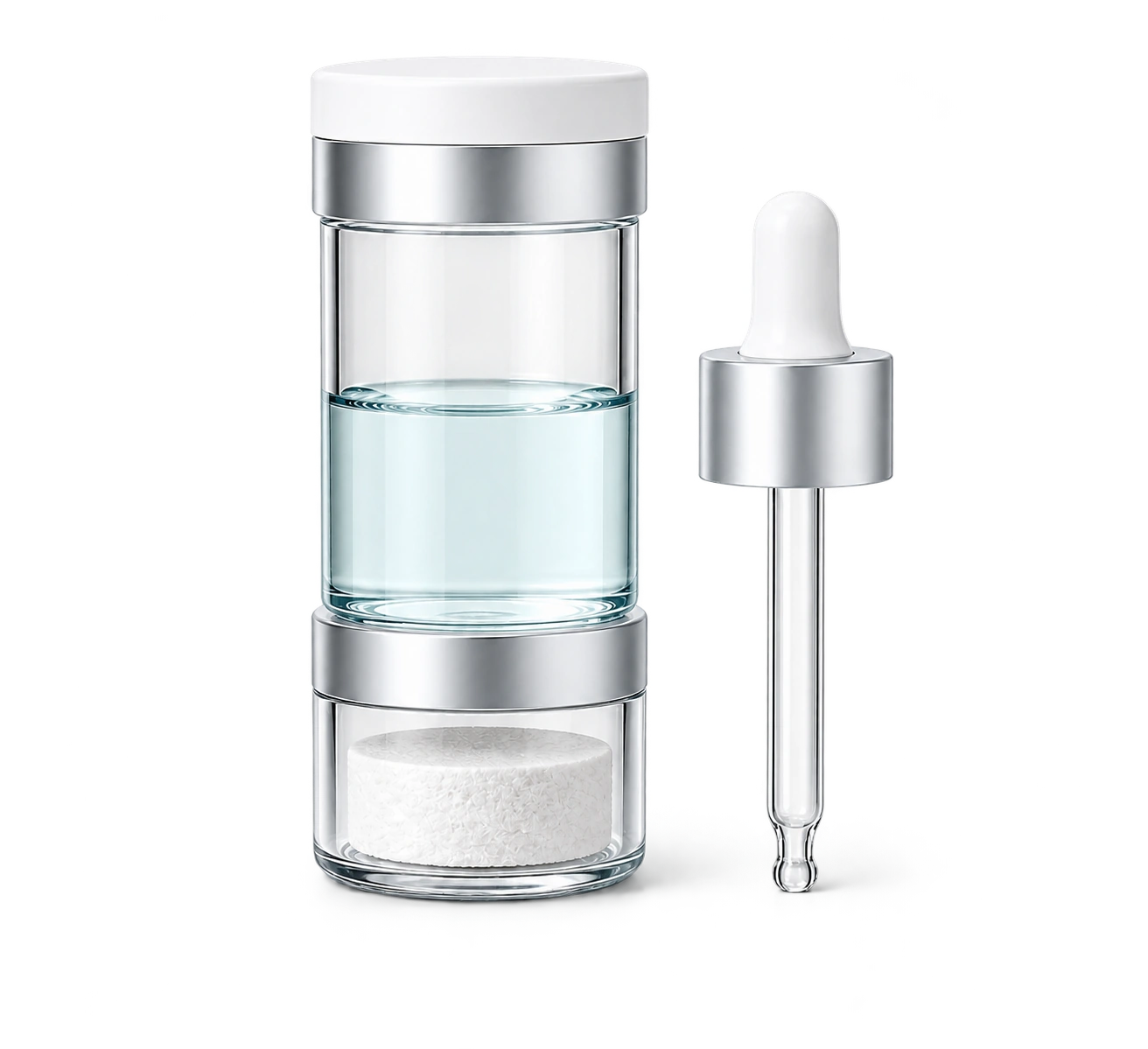
Conceptual handheld package with separately contained liquid and lyophilized product, accompanied by a removable dropper.

FORMAT 01

Lyophilized Cake or Powder + Separate Diluent

Format

A dry cake or powder is held in one vial, with the diluent supplied as a separate unit.

At use

The diluent is added before use. Formula, residual-moisture target and reconstitution behaviour still require project confirmation.
FORMAT 02

Integrated Reconstitution Package

Format

Dry product and liquid are held separately within one coordinated handheld package concept.

At use

The components are combined before application. The transfer method, internal mechanism and final packaging construction remain project-specific.

These images illustrate product-format families, not fixed packaging, detailed mechanisms or confirmed production specifications. Final configuration depends on formulation, residual-moisture targets, reconstitution behaviour, activation method and packaging compatibility.

Lyophilization technology advantages

Six practical advantages of a dry-state product route.

Lyophilization freezes the product, removes ice by sublimation under vacuum, then reduces remaining moisture. For suitable formulas, that sequence creates storage and use possibilities that differ from a ready-to-use liquid.

  • Water removed without high-temperature evaporation

    Freezing and vacuum sublimation remove water without relying on the sustained heat used in conventional evaporation.

  • Dry-state stability potential

    For compatible formulas, moving from an aqueous state to a protected dry state can improve storage stability. This must be demonstrated for the product.

  • A defined residual-moisture target

    A formulation-specific cycle can be developed toward an agreed residual-moisture range. The result must be measured rather than assumed.

  • Porous structure supports reconstitution

    A well-formed porous cake or dry structure can support rapid rehydration. Actual reconstitution time depends on the formula and cycle.

  • Dry and liquid remain separate until use

    The dry unit and its compatible liquid can remain apart during storage and be combined only when the product is used.

  • Multiple dry presentation forms

    Validated cakes, powders, beads, masks and other dry formats can be paired with suitable protective packaging.

Lyophilization does not automatically improve stability, efficacy or sterility. Formula screening, cycle development, residual moisture, reconstitution and packaging must be confirmed for each project.

Six controlled transitions, one product-specific cycle

The sequence is representative of cosmetic lyophilization. Exact temperatures, pressures, hold times, loading geometry and pack formats are established through formulation and cycle development.

Formula preparation

The product is prepared around the target dose, desired dried structure and reconstitution or use experience. Formulation and cycle development are connected: excipients, solids content and fill geometry influence how the product freezes and dries.

Lyophilization development and packaging

Move from formula screening to a protected dry-format product.

We turn an early formula into a screened candidate, a developed freeze-drying cycle, representative dry units and a compatible pack-and-liquid system before production is planned.

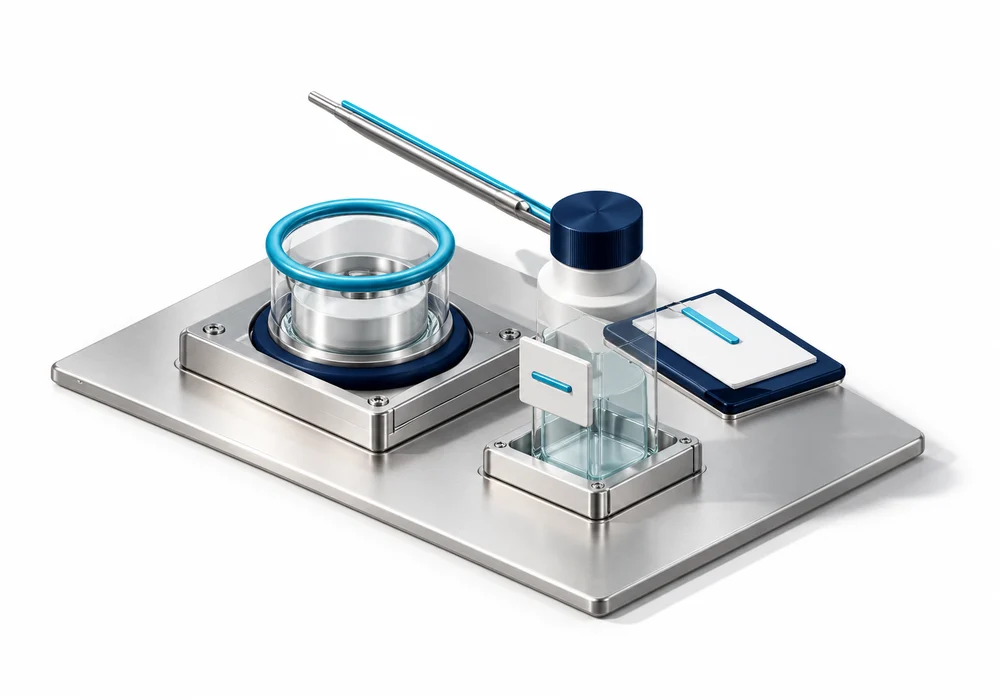
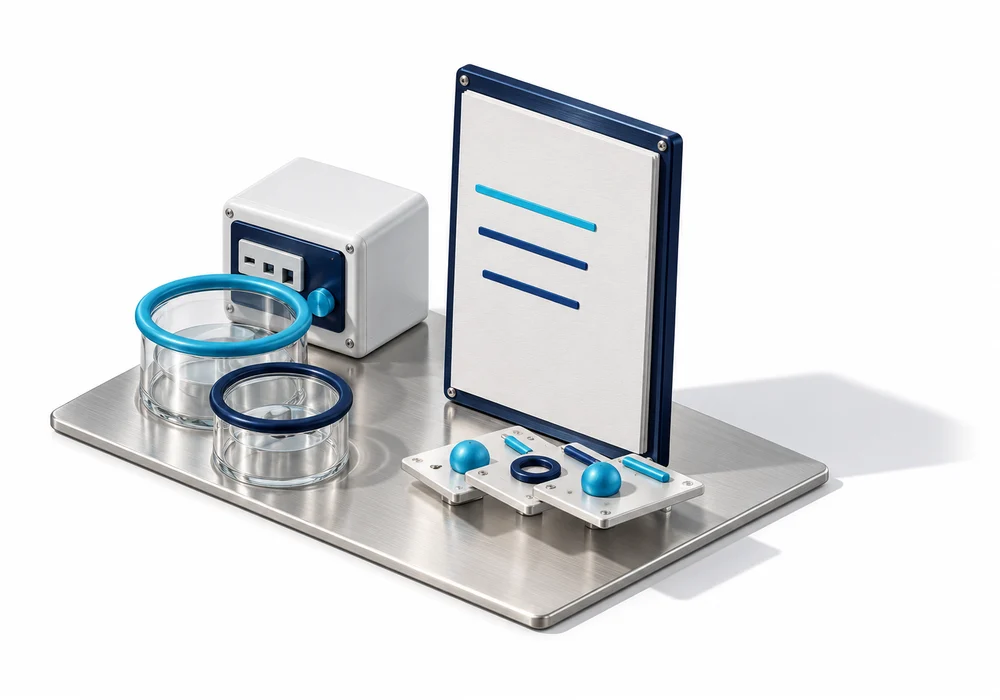
Isometric formula-screening kit with samples, project folder and a generic laboratory instrument
01

Screen the formula

Confirm whether the formula has a reason to remain dry until use, and whether it can be frozen and dried as a project.

Screened formula enters cycle development
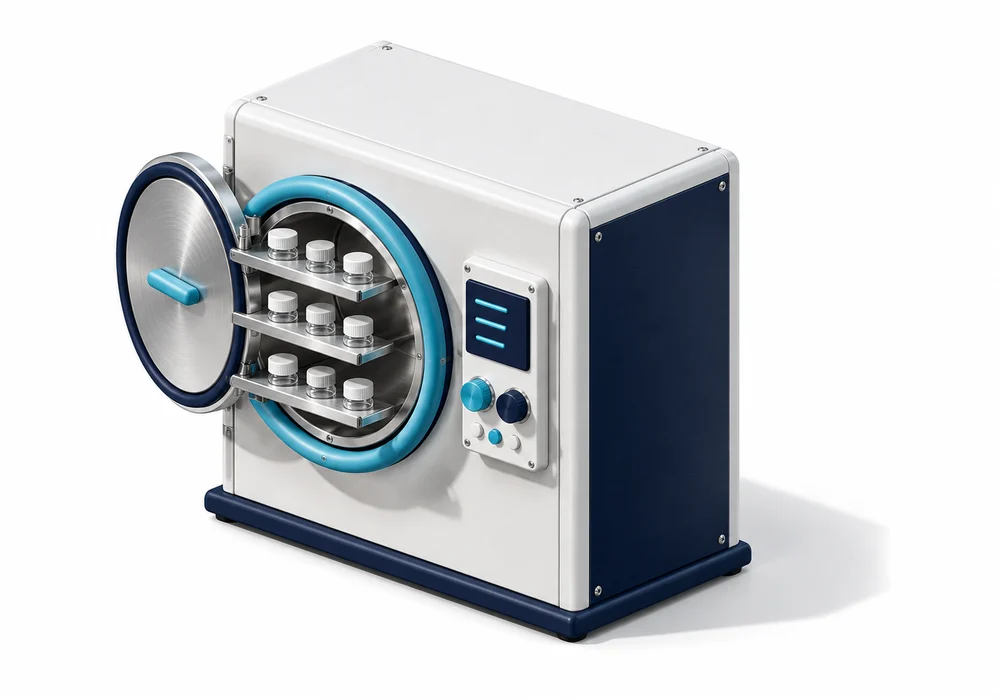
Isometric generic freeze dryer with an open chamber, three sample trays and non-numeric controls
02

Develop the freeze-drying cycle

Freezing, primary drying and secondary drying are developed for that formula. They are not copied as a house standard.

Cycle and form are reviewed as samples
Isometric protective tray with a dry unit, opened peel lid and separate companion liquid bottle
03

Pair the dry unit, pack and liquid

Decide what protects the dry unit, and whether reconstitution or a compatible liquid companion is part of use.

Packaging is confirmed for the dry unit
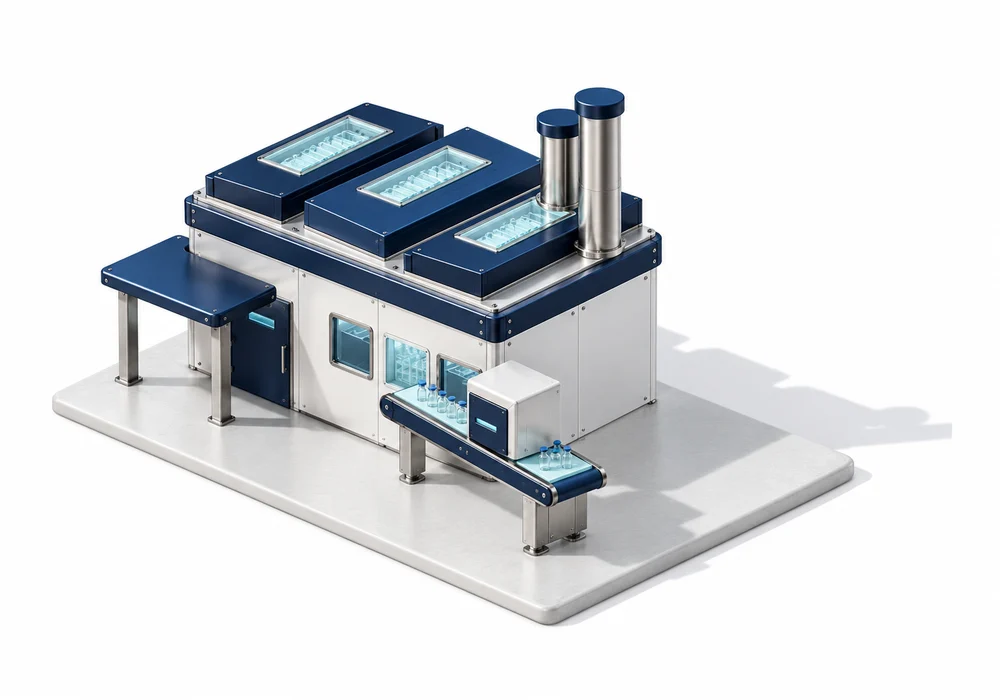
Isometric generic production facility with one pack-out belt and one paper carton
04

Confirm the dry unit and pack-out

Review residual moisture, structure and appearance, and reconstitution on a limited quantity before volume is discussed.

Cycle, reconstitution and pack are confirmed per formula before volume is discussed.

Discuss your lyophilized single-dose project

Tell us where your
project is now.

Name and work email are required. Product fields can stay open if they are still being defined.

Before you send it

Why choose lyophilization instead of a ready-to-use liquid?
Consider it when a compatible formula has a demonstrated reason to remain dry until use. The benefit must be confirmed through formula screening, cycle development and stability work. Use the freeze-drying and BFS application comparison to review formula suitability, customer preparation and the evidence each route needs.
Does freeze-drying automatically improve stability or efficacy?
No. A dry state can improve storage stability for suitable formulas, but stability and performance must be demonstrated for the developed formula, cycle and pack.
Does freeze-drying make a product sterile?
No. Sterility, if required, is a separate control strategy. Lyophilization is a water-removal process.
What can I bring at project start?
Start with a formula, an existing sample or a dry-format concept. Share the intended use, target market, packaging idea and activation or reconstitution method if they are already known.
How are freeze-dried beads, pellets and vial cakes specified?
Describe the desired dry form, dry mass per use, number of units and the liquid used for activation. Beads or pellets and a cake held in a vial are different development targets; shape alone does not establish formula compatibility or production feasibility. Review the proposed form, residual moisture, reconstitution and protective pack together before confirming a manufacturing specification.
What should a freeze-dried cosmetics quotation include?
State whether the project covers the dry formula alone or a complete dry-and-liquid kit. Specify dry mass, activator volume, units or pairs per retail box, expected order quantity and packaging components. Formula work, cycle development, samples, agreed testing and kit assembly should be listed in the scope. MOQ and timing are confirmed for the selected formula and pack, not from a generic catalogue image.