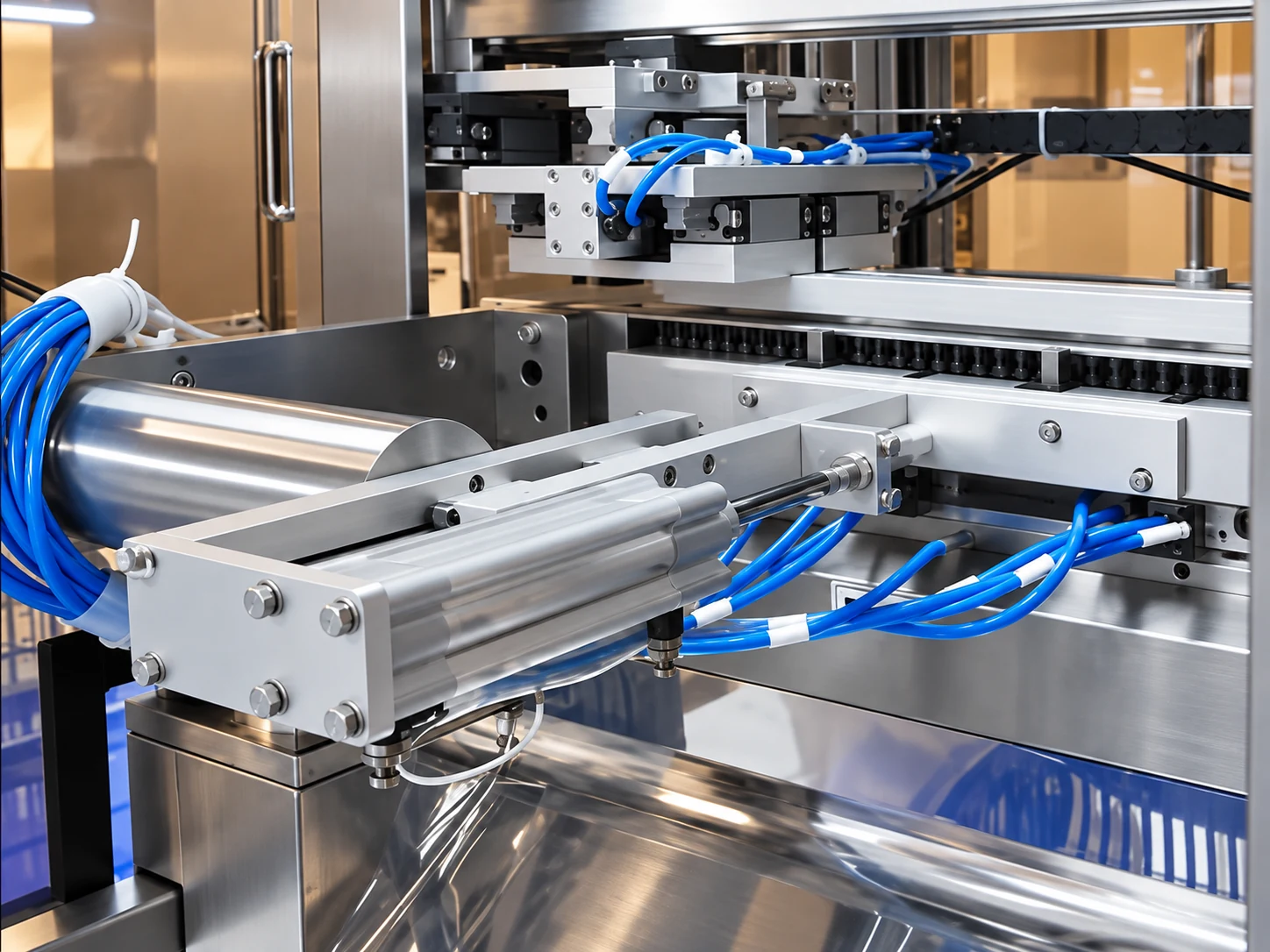
Equipment integration
The detail behind the line.
Production planning brings together equipment layout, material movement and access for operators. These details help define how a single-dose product will move through the selected suite.
Facilities & Quality
Explore the production environments, equipment and project review behind sterile single-dose manufacturing. The line, process controls and quality requirements are defined around your product.
Platform figures
Overseas discussions sit with Guangzhou Maolin Technology Co., Ltd. as our commercial face. The numbers below describe our BFS capacity and campus footprint. The line assigned to a product is confirmed during project review.
Annual capacity across our BFS lines. The volume available for a given brief is confirmed during project review.
Our manufacturing campus in Guangzhou. The suite assigned to a product is confirmed during project review.
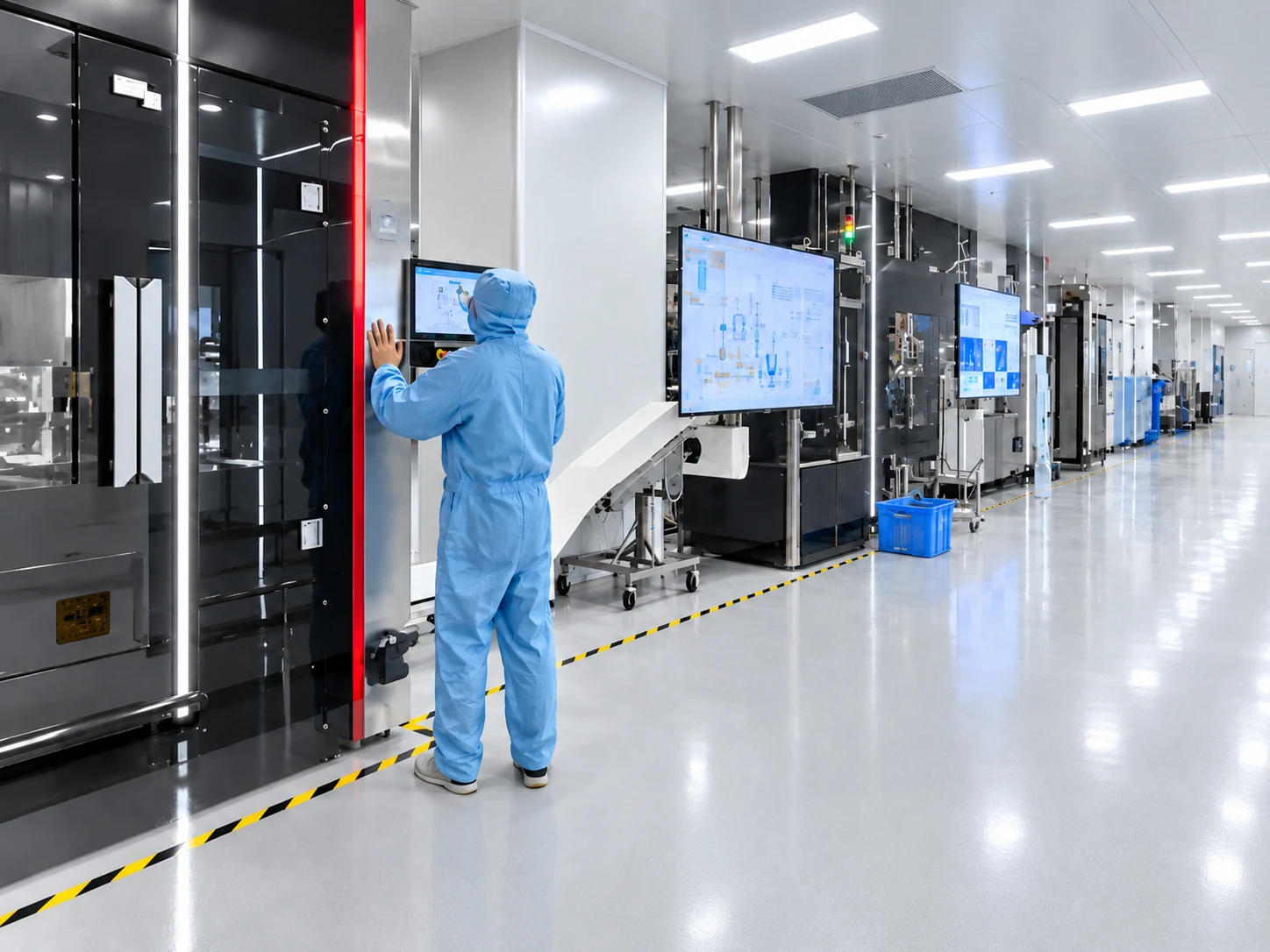
Manufacturing environments
Explore the spaces and equipment behind a production plan: the working environment, filling line and operator controls.
Equipment integration
Production planning brings together equipment layout, material movement and access for operators. These details help define how a single-dose product will move through the selected suite.
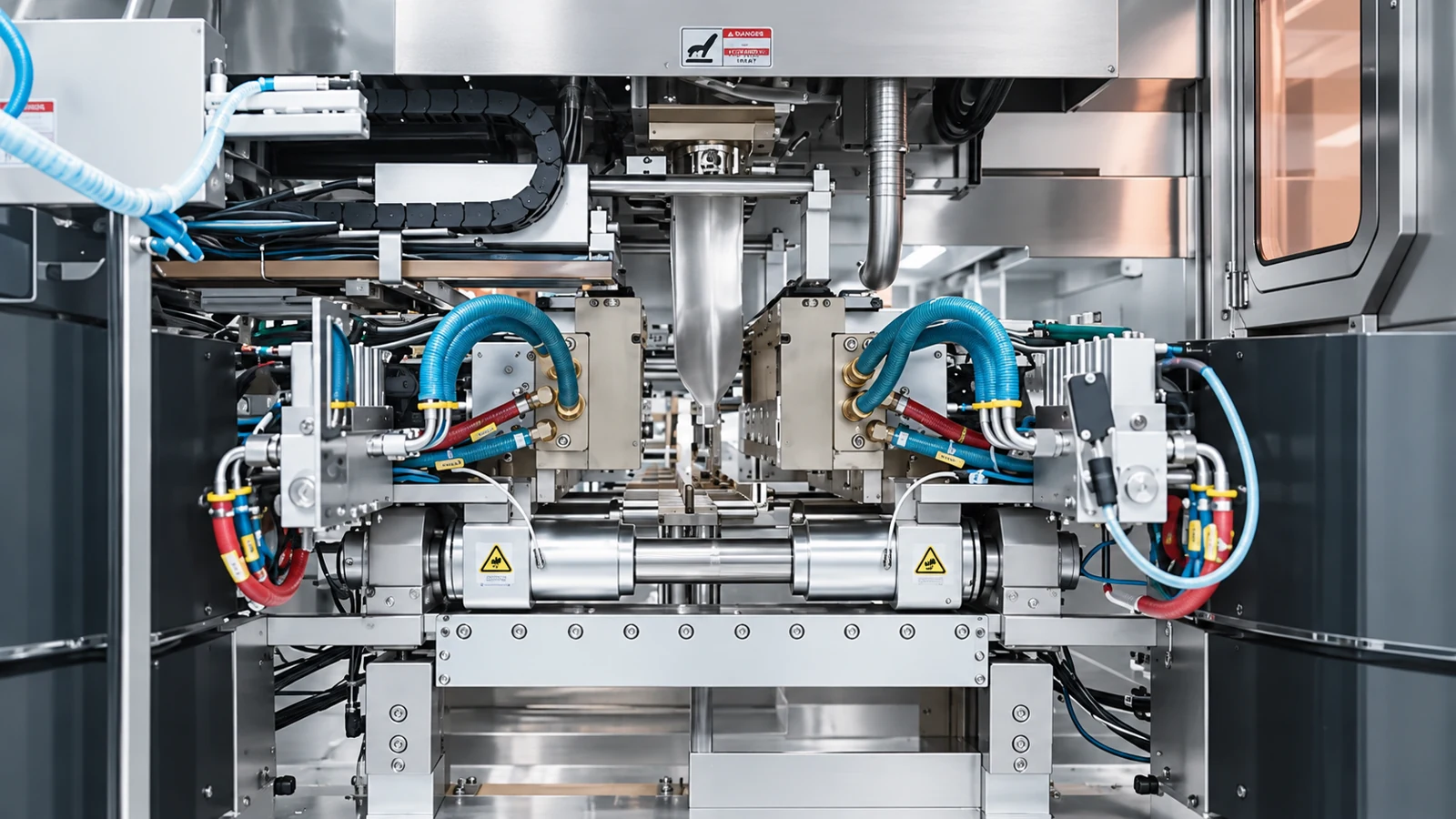
Filling equipment
The formula and container guide the choice of filling equipment, tooling and operating method. Sampling and line review turn those requirements into a production plan.
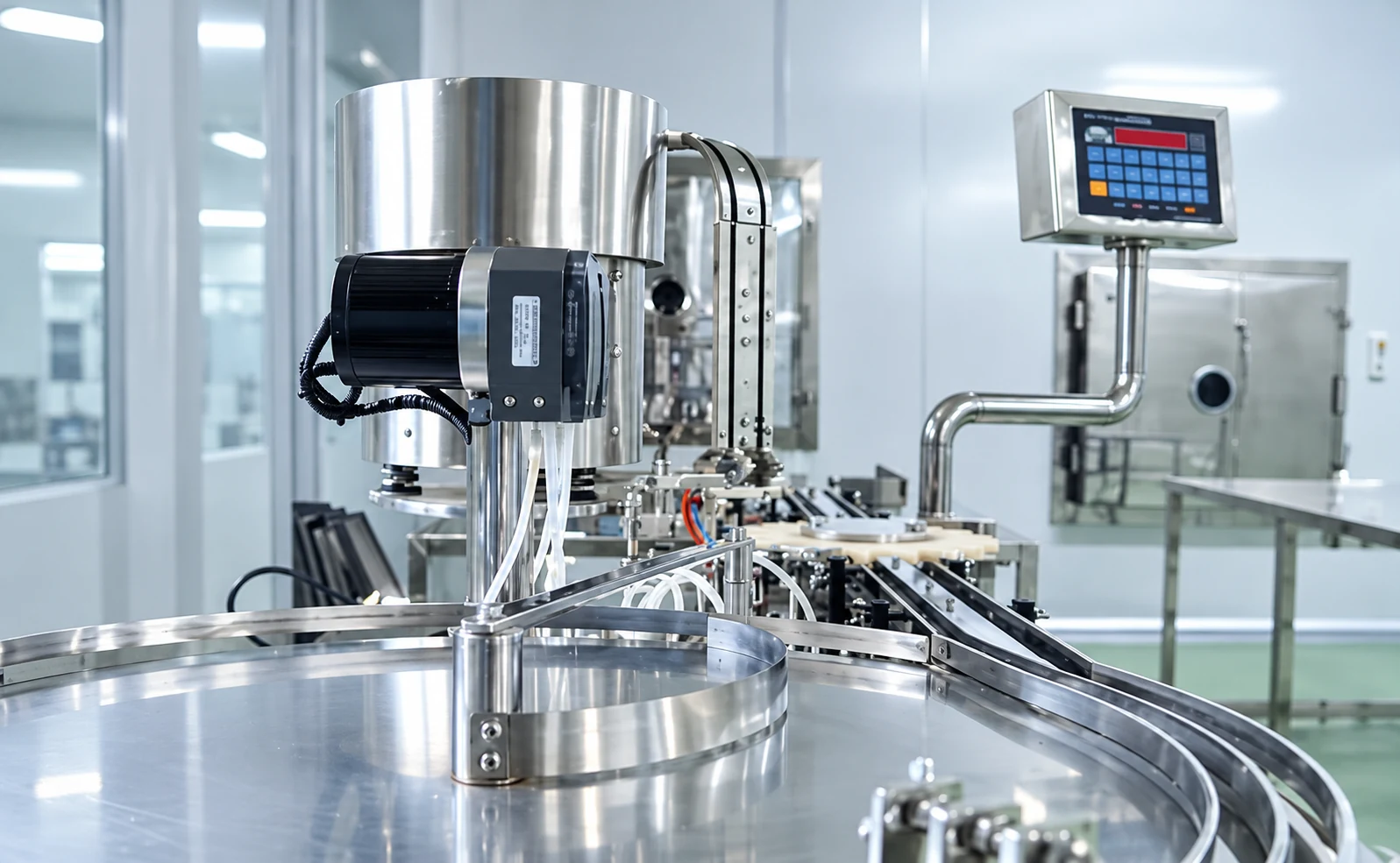
Process control
Equipment settings and material movement need to work together. Operator displays provide a control point alongside the line; project-specific checks are defined around the selected process.
Equipment in detail
Preparation vessels, process pipework and automated handling each play a different role. Reviewing them together helps turn the product brief into a practical line configuration.
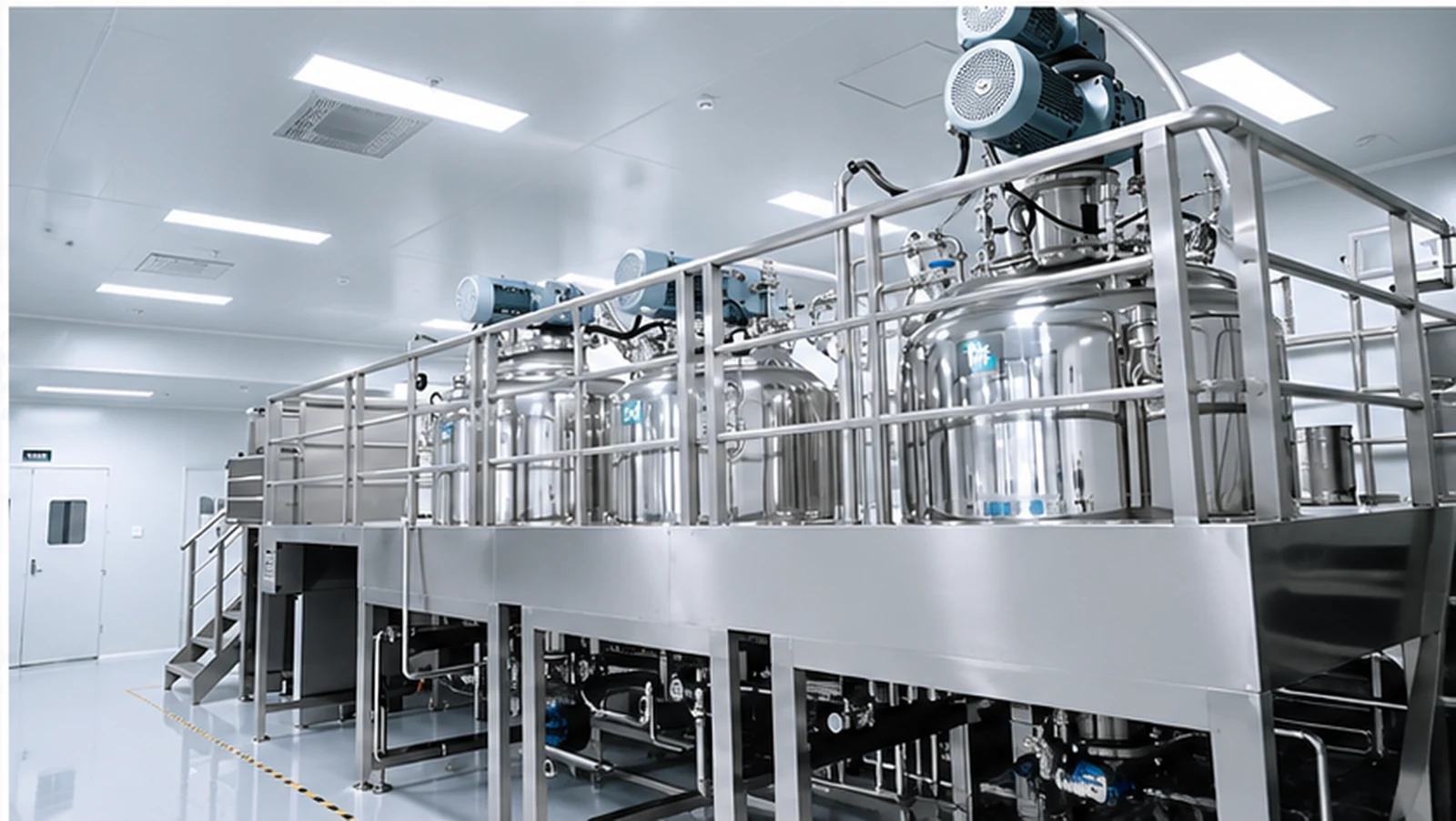
Stainless vessels and access platforms provide a view of the preparation side of the process.
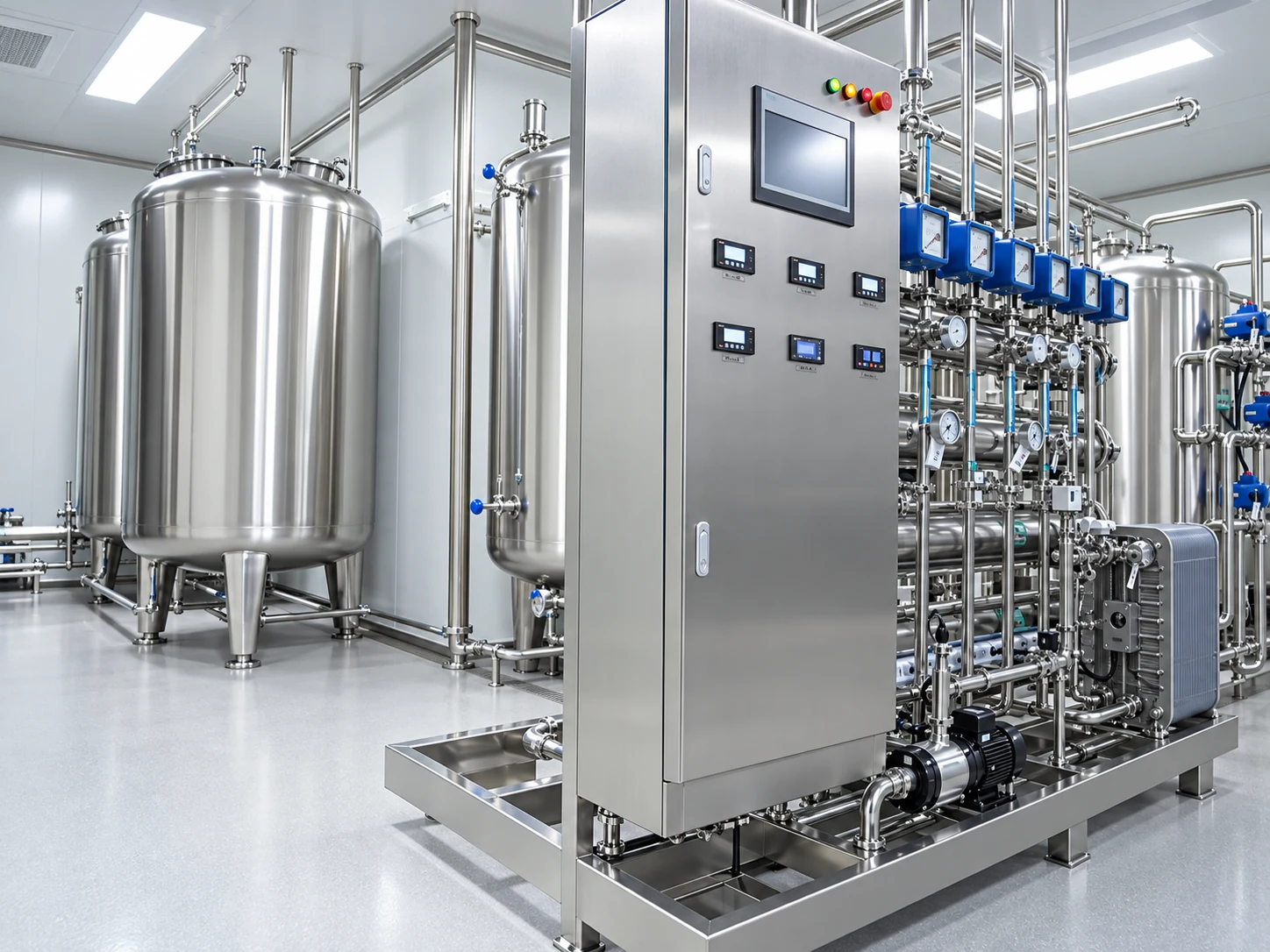
Pipework, valves and controls connect individual pieces of equipment into a working process.
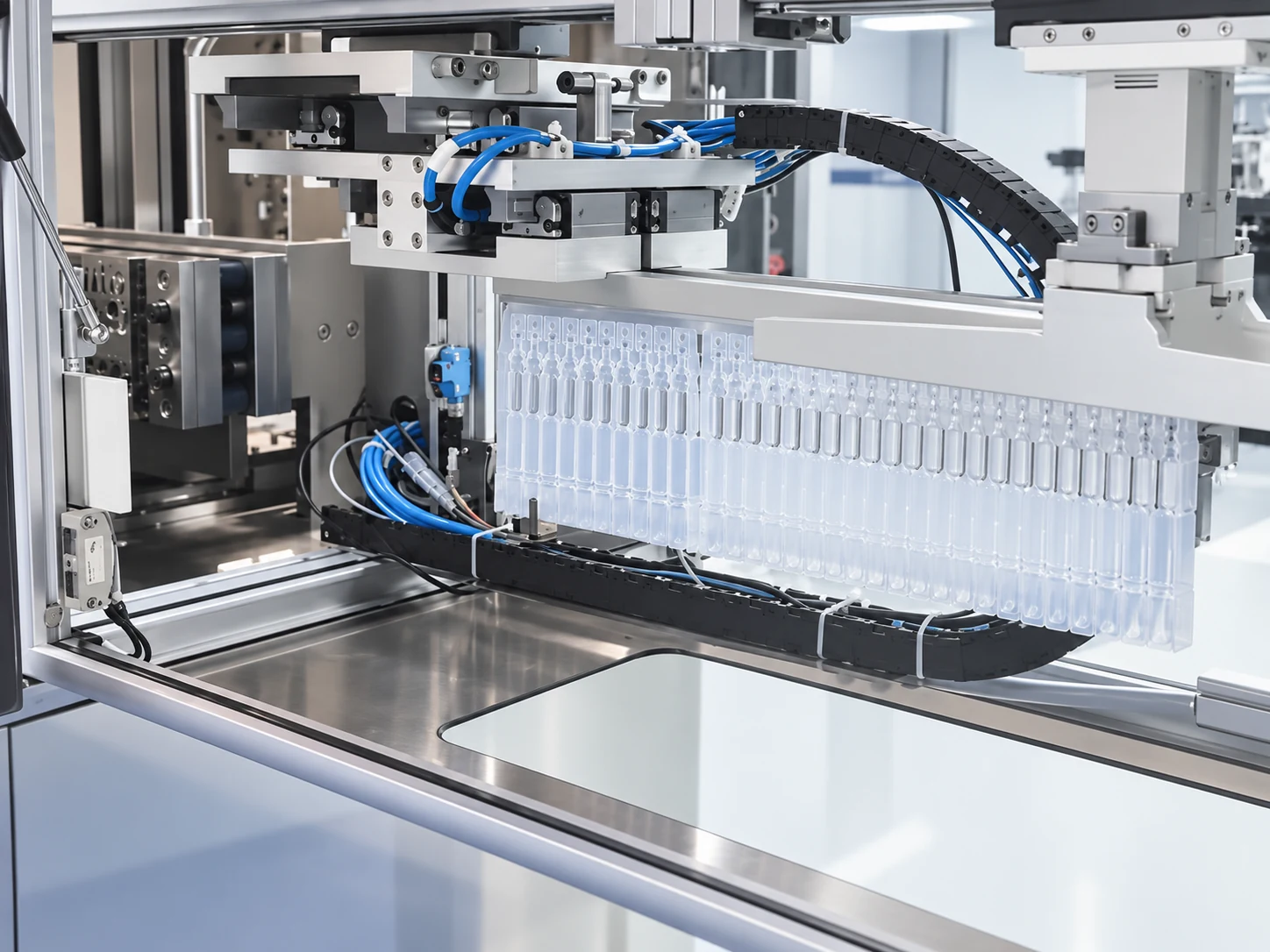
A handling assembly supports a row of containers as they move through the equipment.
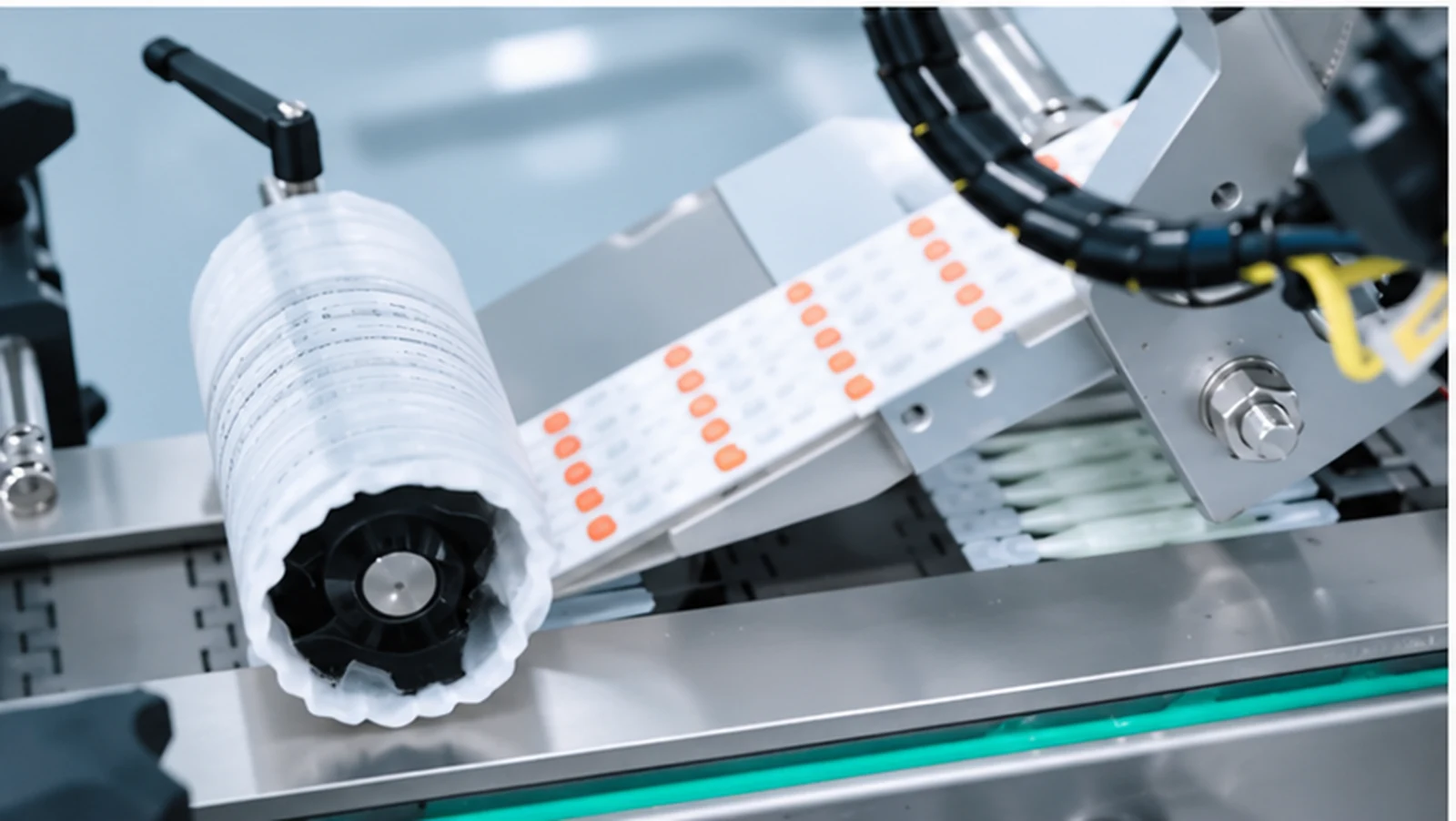
Reels and guides show how material is positioned and fed through an automated station.
Quality
Define the product requirements, review the manufacturing route and agree the checks needed for the batch. We discuss process controls and available documentation with your team as the project takes shape.
Inspection and quality criteria start with the formula, container and target market. The agreed product specification gives the team a common reference for each check.
Process controls, in-process checks and release logic are confirmed for the line that would actually run the work.
The project review brings together the relevant process information, inspection criteria and available quality documentation so your team can assess the proposed manufacturing route.
Start a project review
Before you send it
A working list of process, pack-integrity and release questions to bring into a facilities review.
Define the formula, container and study conditions before reviewing compatibility evidence.