High chemical resistance
Glass selected for chemical resistance can keep product-container interaction low when the glass type is matched to the formula.
Glass ampoule contract manufacturing
Bring us a product brief, a preferred ampoule or pilot-ready specifications. We coordinate ampoule selection, filling, flame sealing, inspection and secondary packaging around your product. If glass is not the best fit, we can compare the same brief with BFS before pilot work begins.
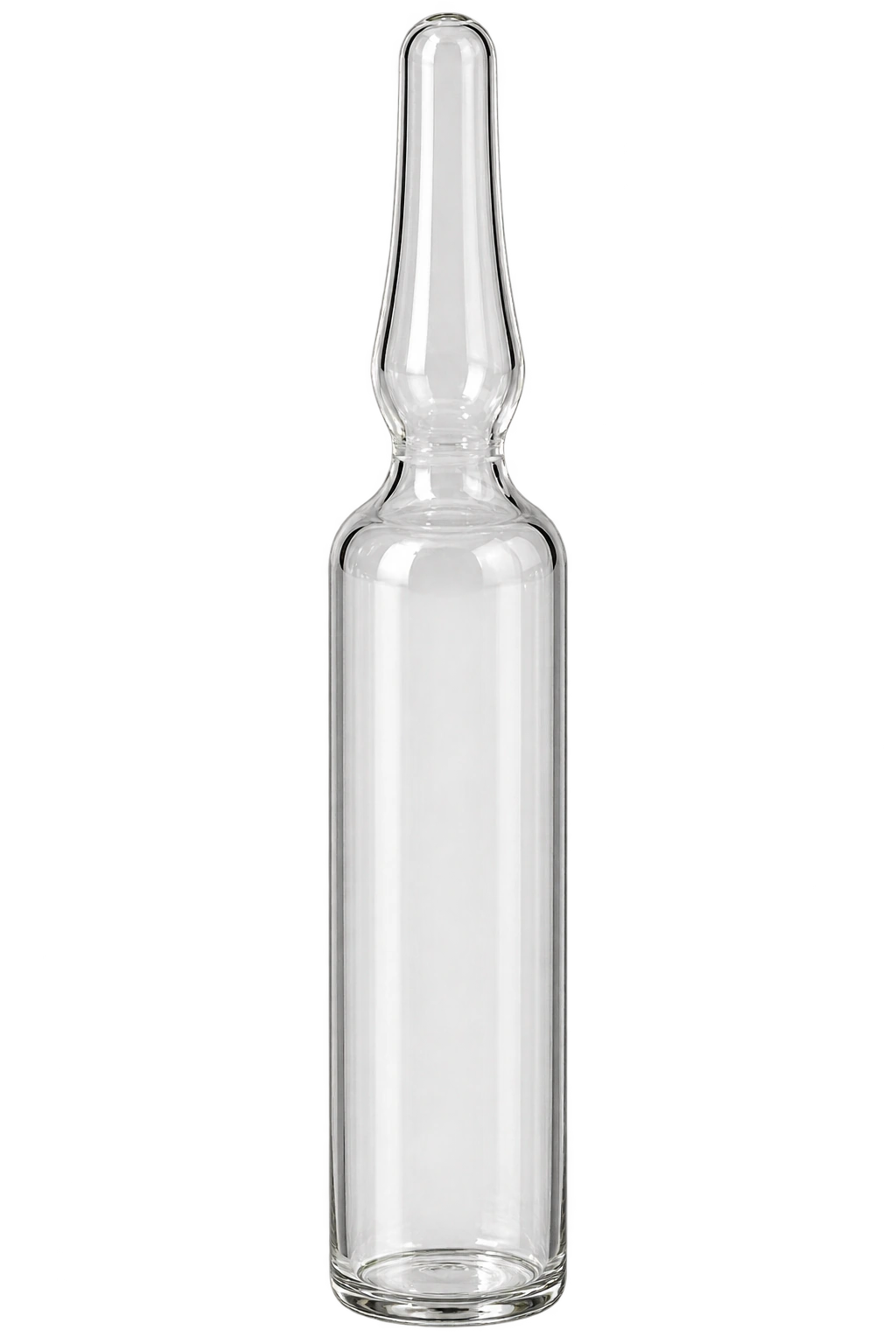
Preformed container
The ampoule arrives before filling. Once filled, its neck is closed with a permanent flame seal.
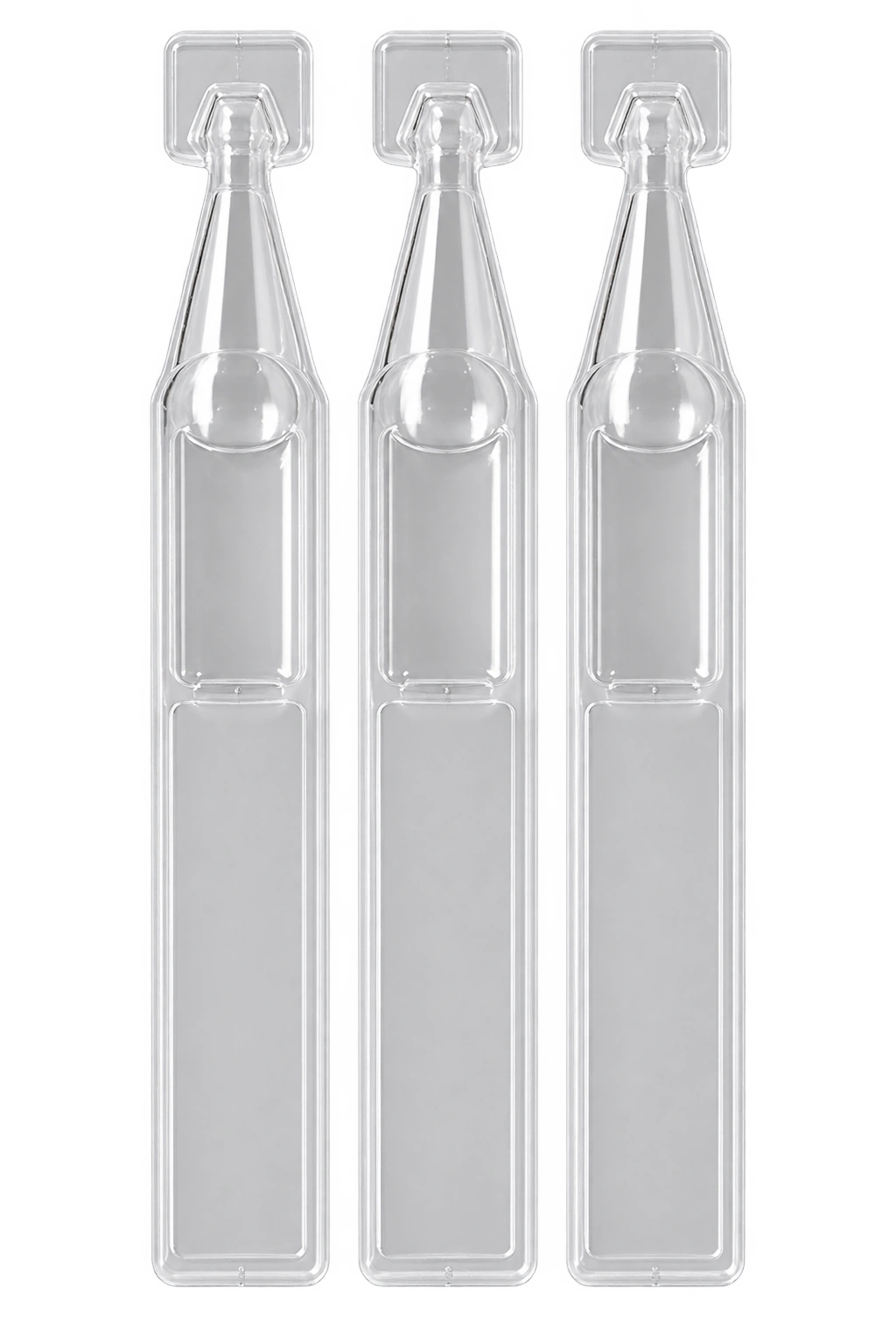
Formed in process
The polymer container is formed, filled and sealed inside one automated sequence.
Glass ampoule technology advantages
Glass ampoules use a preformed container whose neck is flame-sealed after filling. Their advantages come from material performance, a closure made from the container itself and a compact single-opening format.
Glass selected for chemical resistance can keep product-container interaction low when the glass type is matched to the formula.
Glass provides a strong barrier to gases and moisture, helping protect products whose storage needs call for it.
After filling, the glass neck is fused closed to create a hermetic primary pack without a separate cap or stopper.
Clear glass keeps the contents visible during handling and the agreed inspection process.
Scored, one-point-cut and colour-break-ring designs provide established opening options, subject to the selected ampoule.
Each ampoule remains sealed as its own unit until opening, supporting individually packed or grouped presentations.
Glass is not the right route for every product. Breakage and fragment controls, opening safety, formula compatibility, dose and target market still determine fit.
Development and pilot filling
We review the formula and ampoule, produce pilot units, then prepare filling, sealing, inspection and secondary packaging for production.

We assess formula fit with the glass ampoule and intended opening method.
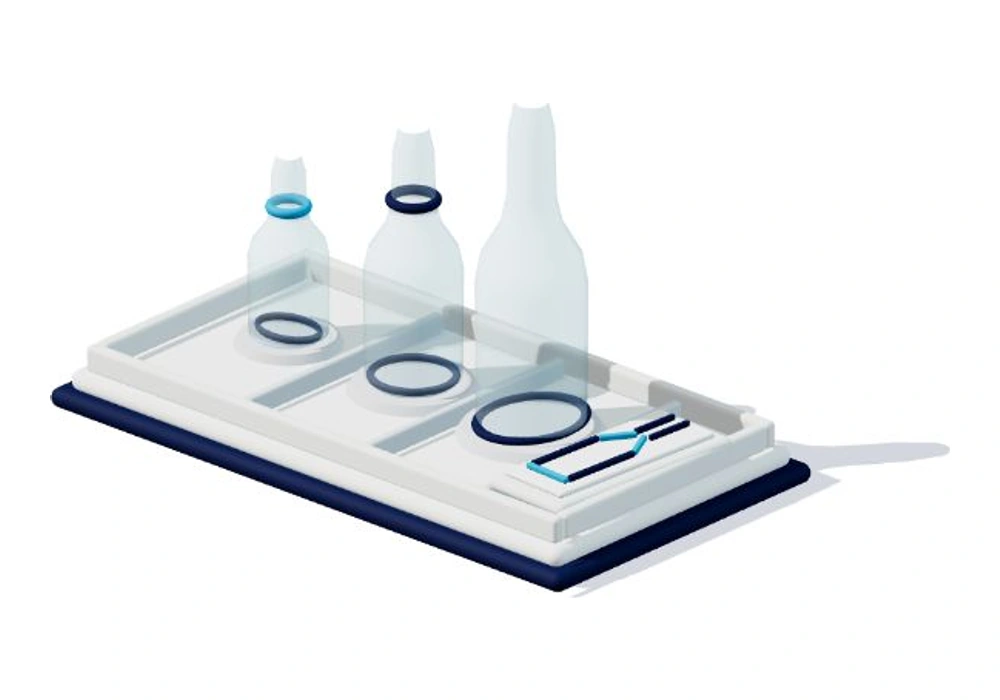
We set the volume, profile and any opening cue, such as a colour ring.
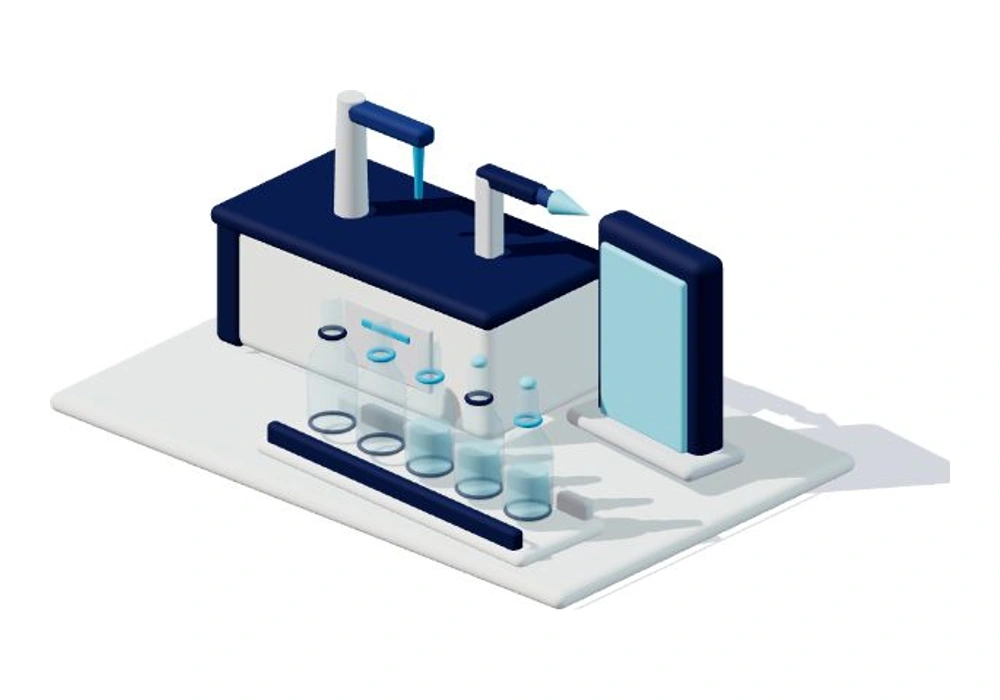
We fill, flame-seal and inspect a limited quantity before production planning.
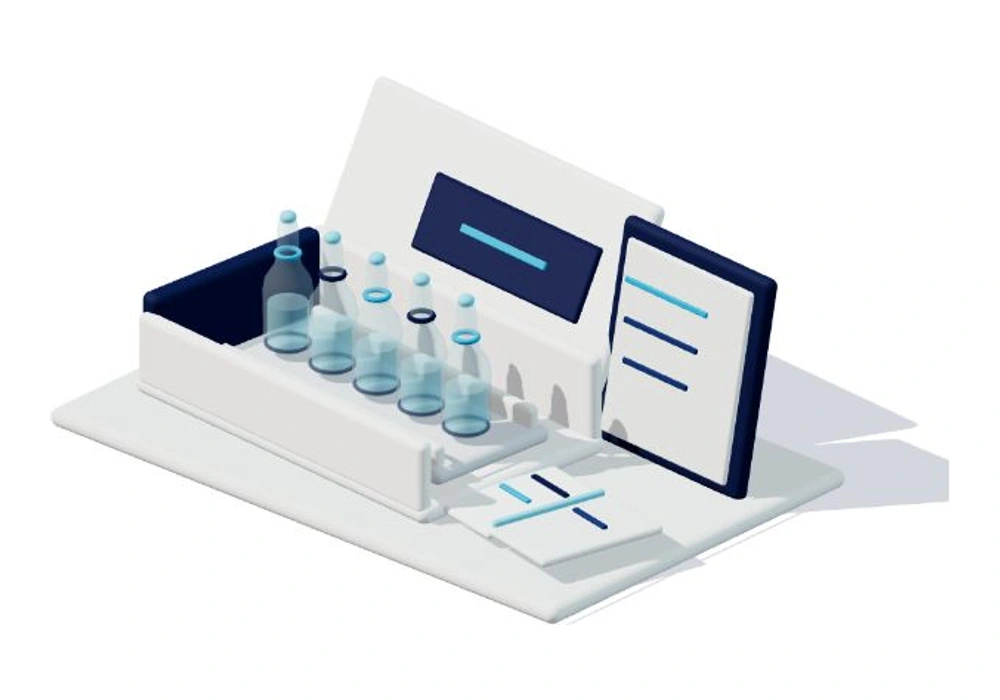
We define the insert, secondary pack and documents once the primary pack is stable.
The final scope is set around your formula, ampoule and production line. Equipment illustrations are generic.
Route Insights
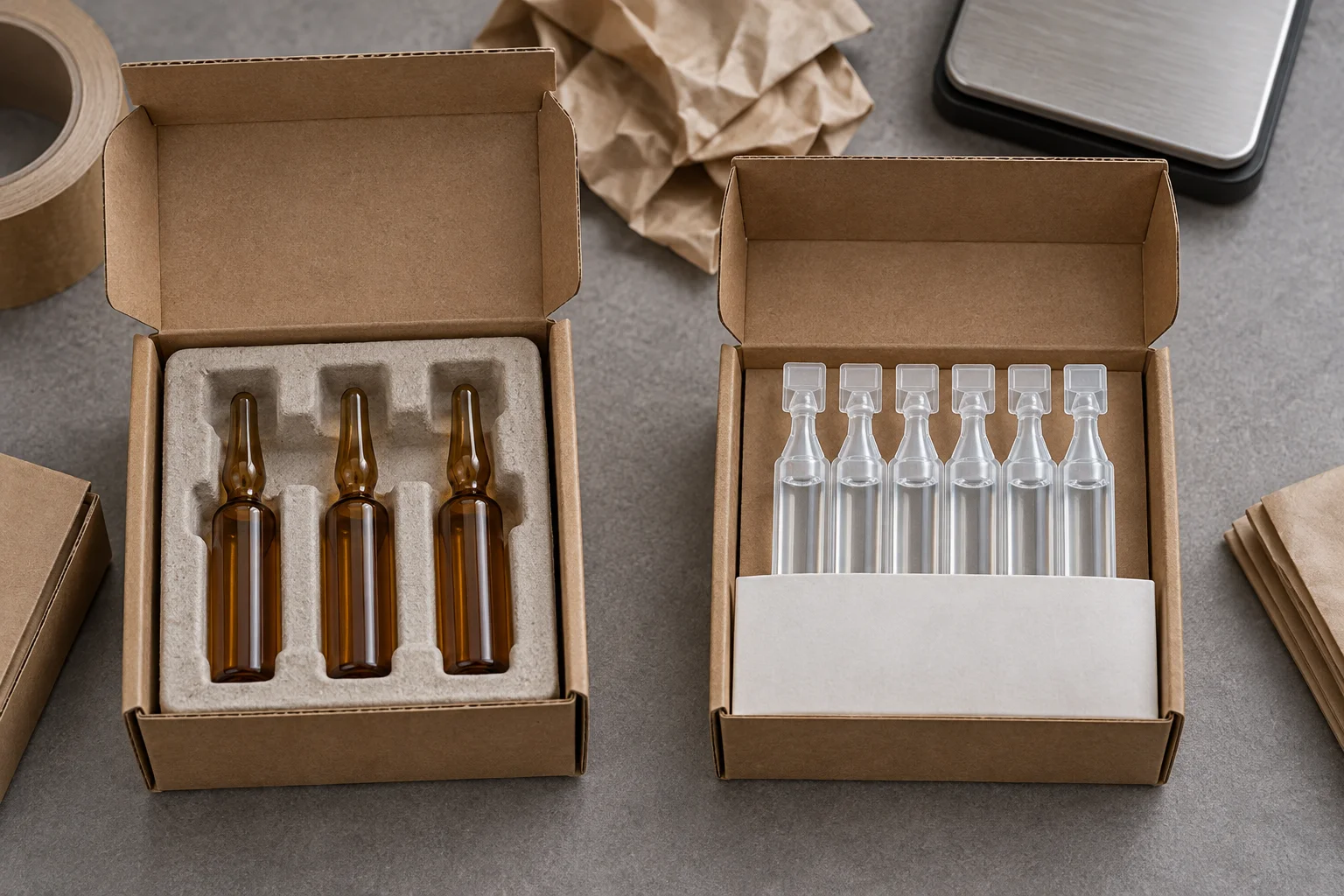
The reasons brands compare a polymer single-dose unit with glass: handling, shipping, opening and the routine — not a ranking.
Open this note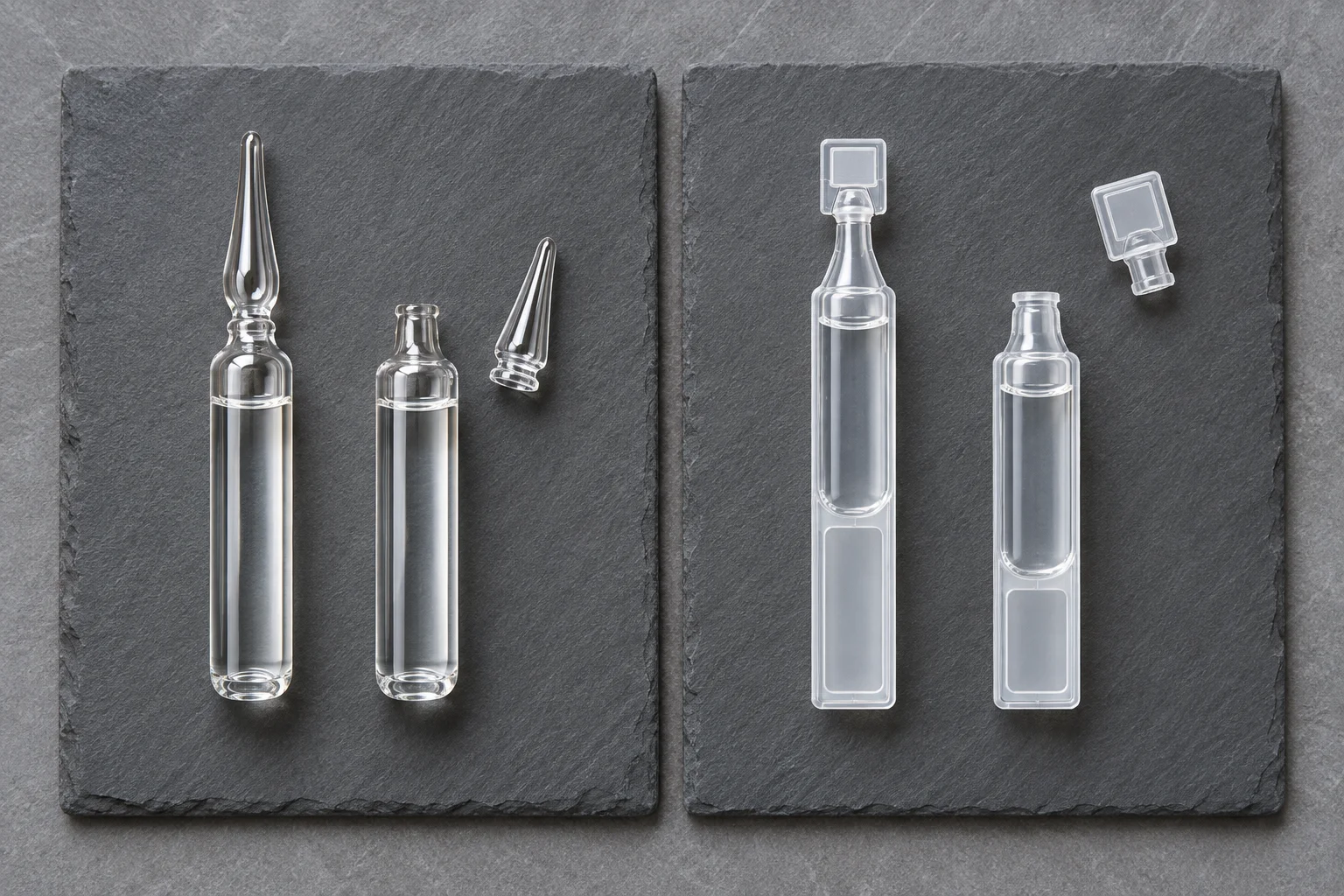
Side-by-side dimensions: container timing, seal, opening, handling and positioning. A comparison, not a winner.
Open this note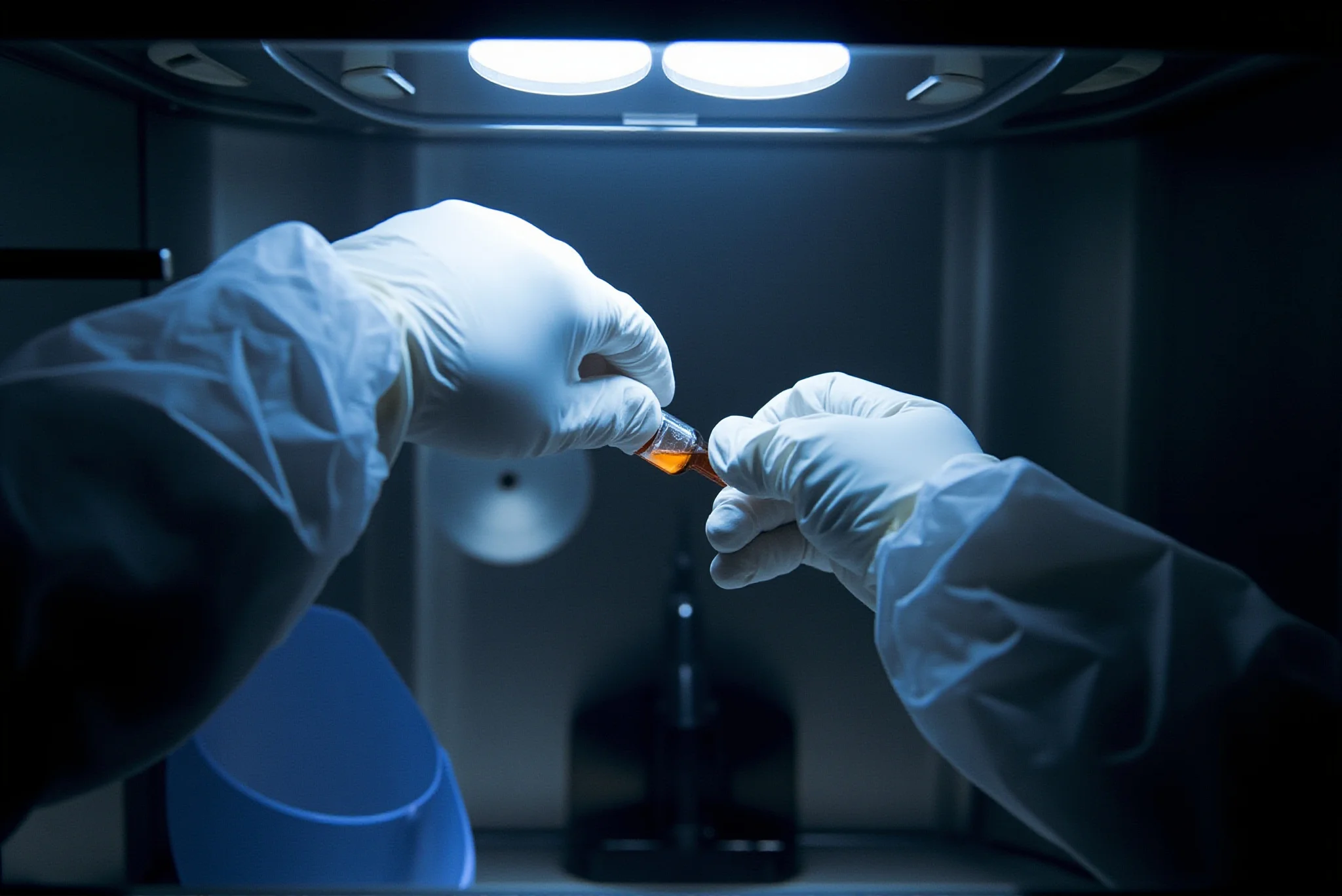
A definition: controlled filling of a specified container, not a synonym for sterile, and not a cleanroom-grade claim.
Open this noteDiscuss your glass ampoule project
Before you send it