01
Container System
Confirm what has already been selected and what still requires evaluation.
MANUFACTURING TECHNOLOGY
Both routes can support controlled filling of liquid products, but they begin with a different container strategy. Preformed-container filling starts with a separately manufactured bottle, vial or tube. BFS forms the container during the same automated cycle used for filling and sealing.
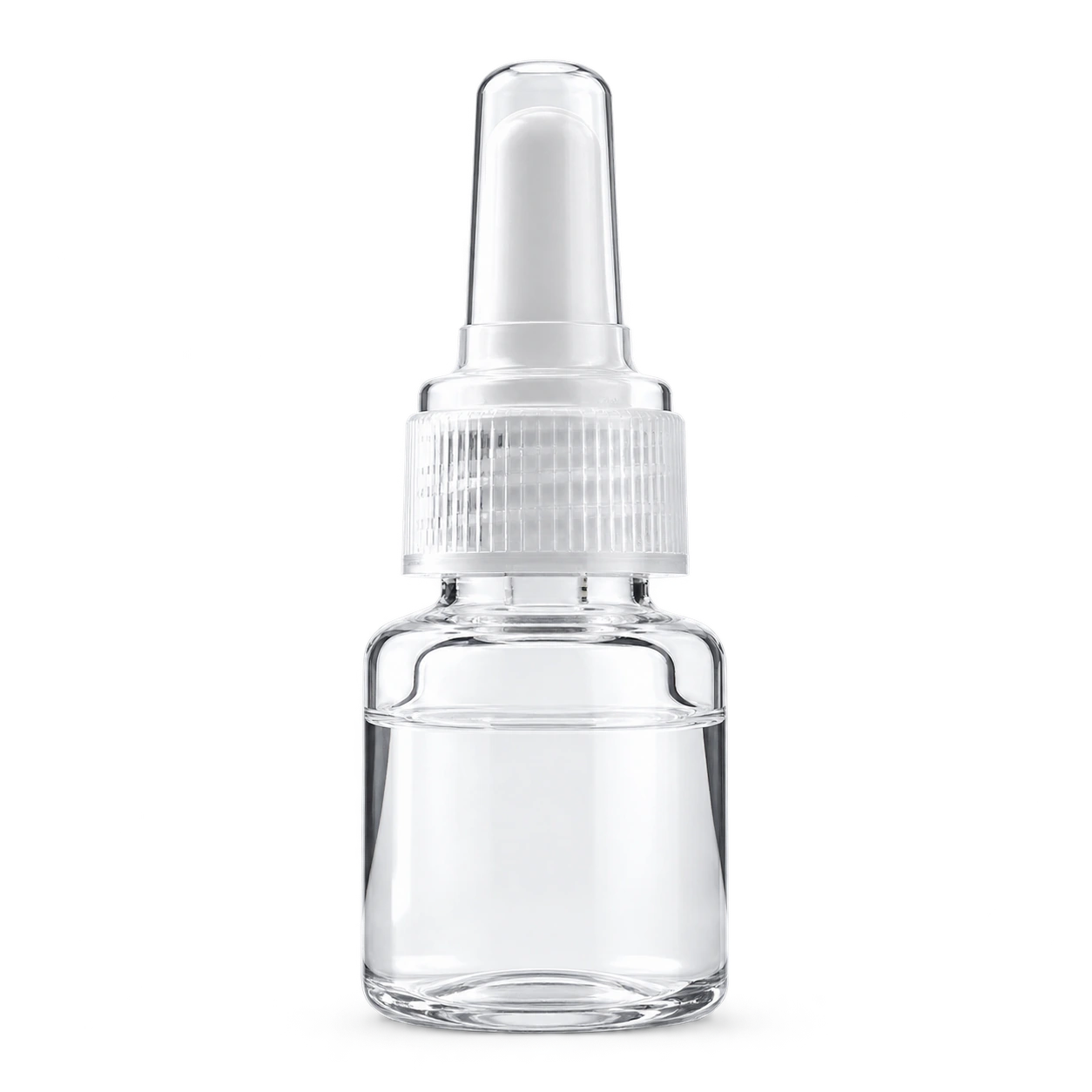
The container and closure components are manufactured separately, then prepared before entering the protected filling environment. This route supports projects that require a specified material, geometry or closure system.
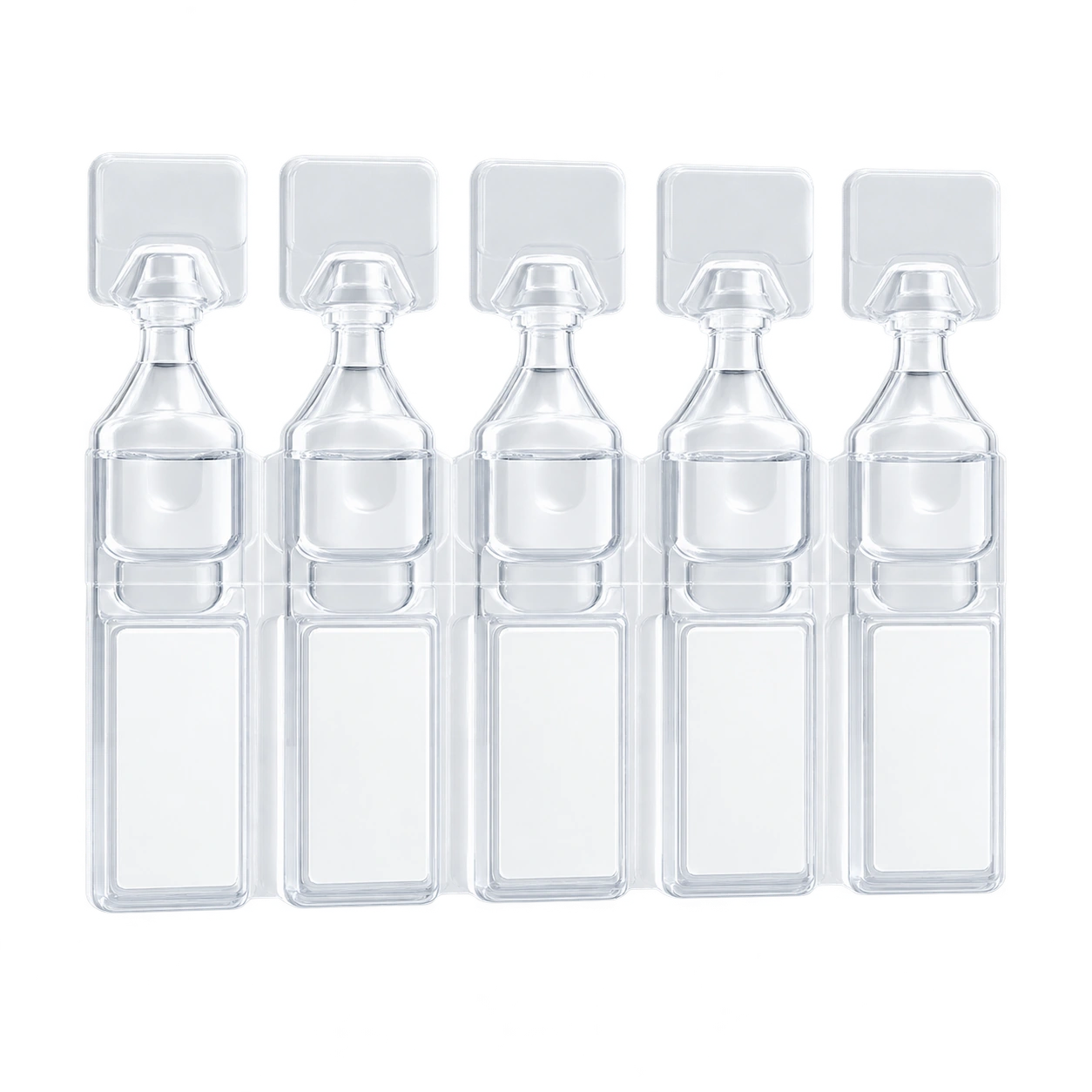
BFS forms, fills and seals the container in one continuous automated cycle, reducing intermediate container handling between container creation and closure.
CONTAINER TIMING
PreformedThe container exists before filling begins.
BFSThe container is formed during the filling cycle.
COMPONENT HANDLING
PreformedContainer and closure components are handled as separate parts.
BFSContainer forming and sealing are integrated into the filling sequence.
FORMAT FLEXIBILITY
PreformedSpecified bottles, vials, tubes or closure systems can be reviewed.
BFSFormat is defined by the selected polymer, mould and opening design.
TYPICAL REASON FOR SELECTION
PreformedAn existing or specified container system is required.
BFSThe brief favors integrated single-dose manufacturing.
Glass ampoules are a dedicated preformed-container route with their own filling and flame-sealing process.
PRODUCT & FORMAT FIT
This route is considered when the container material, geometry or closure system is already specified, or when the project requires a format that is not produced through the same in-line forming sequence as BFS.
Brand-selected bottles, tubes, vials or specialty packs for liquid skincare and cosmetic applications.
Explore Skincare & CosmeticsProjects requiring a defined container, closure or presentation can be reviewed against the available filling and packaging route.
PROJECT PATH
A project moves from a defined container system to process mapping, pilot confirmation and an agreed production route.
Confirm what has already been selected and what still requires evaluation.
Define the preparation, transfer, filling, closure and inspection steps that apply to the selected container.
Confirm filling, closure and inspection performance through the agreed pilot or validation pathway.
Move into production after the manufacturing route, quality requirements and documentation list have been agreed.
QUALITY & DOCUMENTATION
The control plan depends on the formula, container, closure, filling route and target market. Relevant documentation and project-specific checks are defined during technical review.
Review selected components against product compatibility, filling and closure requirements.
Define checks during preparation, filling, closure and inspection.
Agree the document list for technical review, production and the intended market pathway.
Route Insights
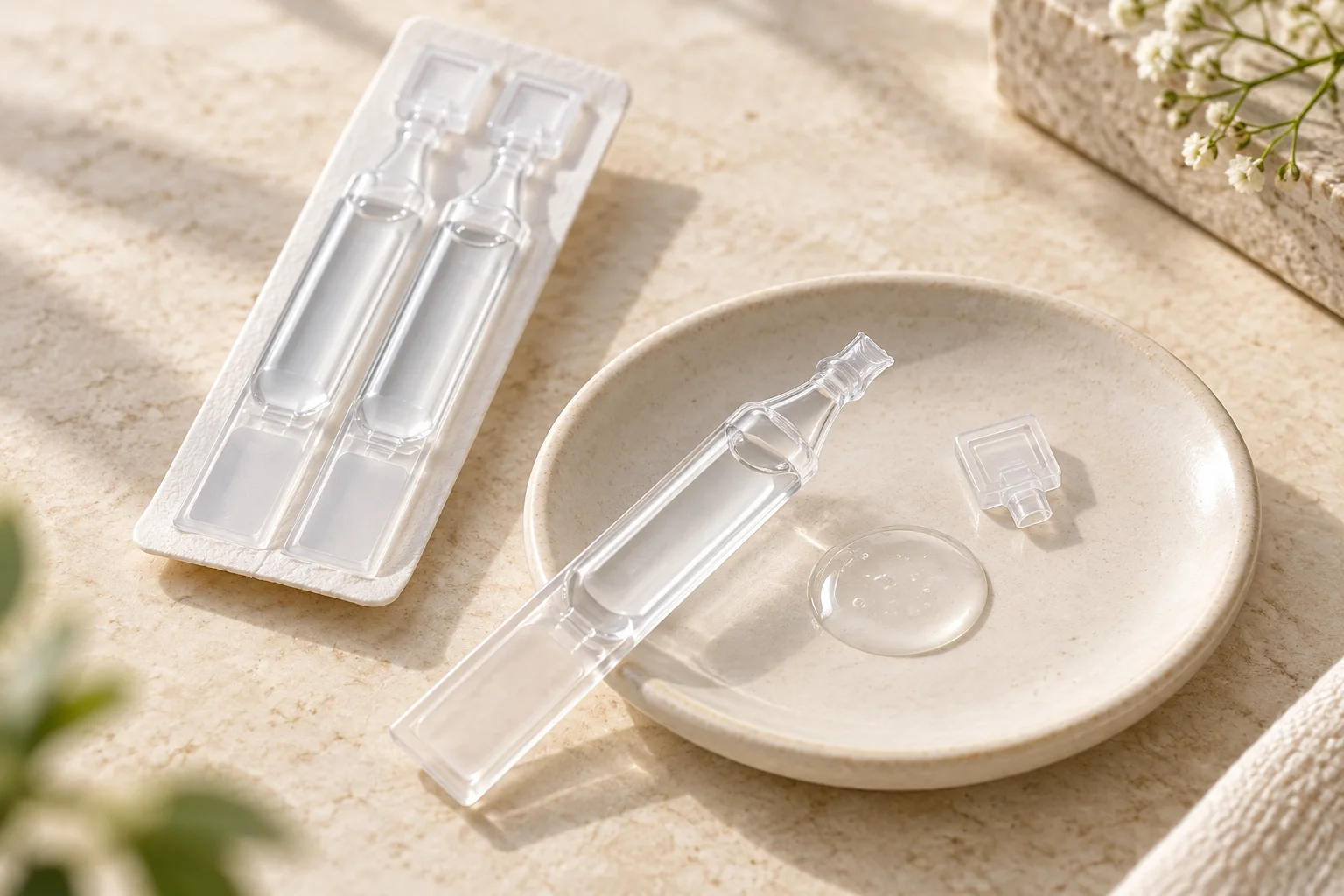
The flagship answer: what the format is, how exposure is controlled, and how to read the preservative question.
Open this note
Process controls, pack integrity and release records: what buyers should ask and what each check can establish.
Open this note
A definition: controlled filling of a specified container, not a synonym for sterile, and not a cleanroom-grade claim.
Open this note
A versioned review of one formula against one named pack, under the storage and use conditions you intend to support.
Open this note
A route choice about container timing: formed during filling, or supplied as a specified vial and closure. Fit checks, not a ranking.
Open this noteDISCUSS AN ASEPTIC FILLING PROJECT
Before you send it